-(1).webp?language=en)
Date: 4 June 2026
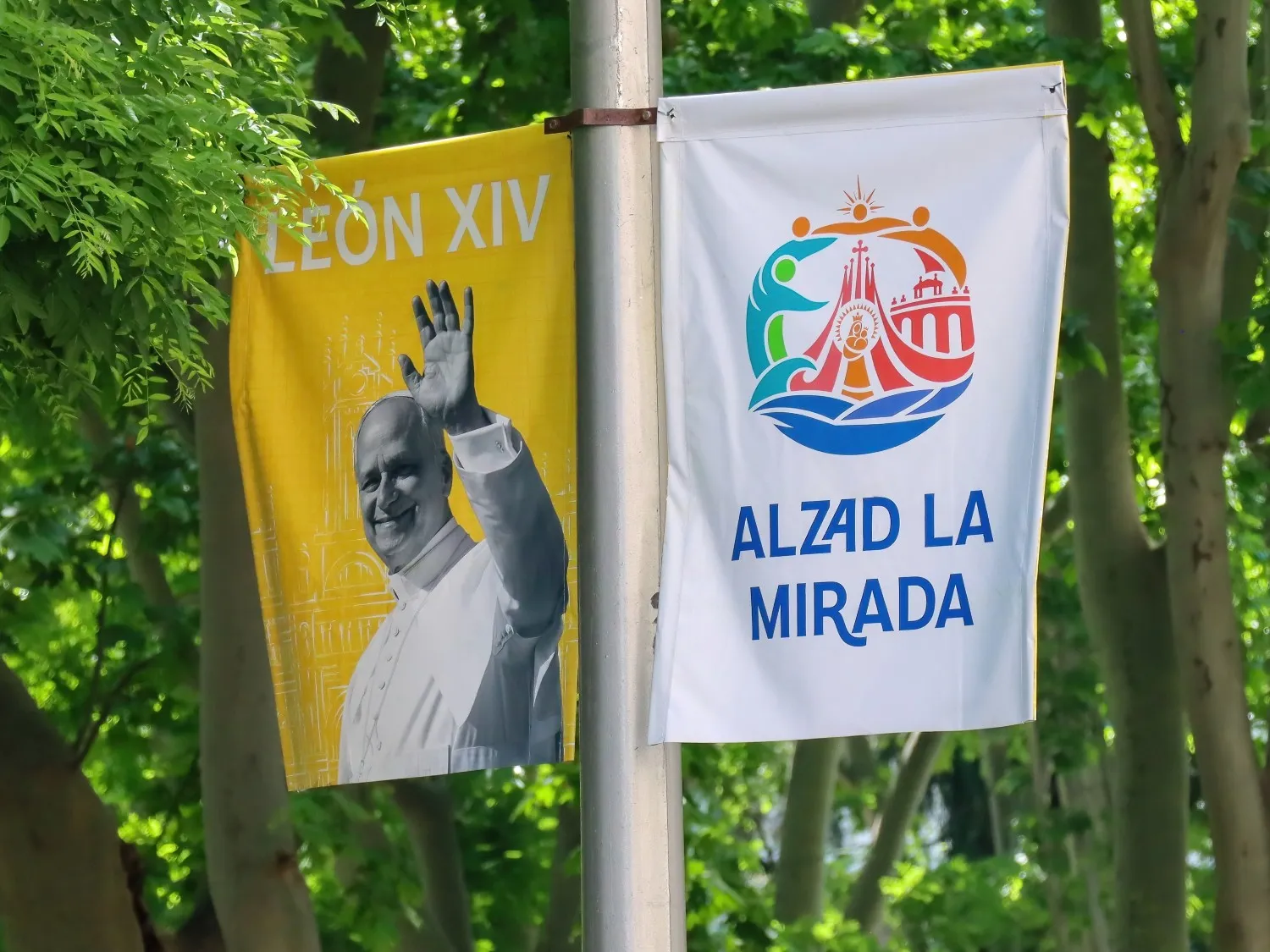
The upcoming pastoral visit of His Holiness Pope Leo XIV to Spain is expected to generate a substantial economic and tourism impact across Madrid, Barcelona, and the Canary Islands, reinforcing the powerful role major religious events can play in supporting local communities, businesses, and destination visibility.
According to ObservaTUR, a tracking and monitoring tool specialising in outbound tourism, the overall economic impact of the papal visit across Spain could reach between €90 million and €125 million, underscoring the scale of opportunity for the country’s tourism sector.
At a city level, Data Appeal Mabrian estimates that the Pope’s visit to Madrid between 6–9 June could generate approximately €73.8 million (US$86 million) in incremental tourism spending, driven by the estimated 1.8 million attendees expected to participate in the various events.
Food and beverage services are projected to account for the largest share of visitor spending, representing 78% of the total impact (€57.3 million), followed by transport (€12.0 million) and accommodation (€4.5 million), highlighting the broad distribution of economic benefits across the tourism ecosystem.
Current booking trends also point to heightened tourism activity during Pope Leo XIV’s upcoming visit. According to Data Appeal Mabrian data collected from online travel agencies, average hotel prices in Madrid for the weekend of 5-7 June 2026 stand at €298 per night, representing a 4.5% increase compared to the same weekend last year.
Separate data from STR indicates that hotel occupancy levels in Madrid for 6-8 June are currently running between two and four percentage points higher than comparable dates in 2025. Meanwhile, research from the Madrid Hotel Business Association (AEHM) projects average occupancy rates close to 82% during the Pope’s stay, peaking at more than 87% on Saturday 6 June.
Barcelona is also experiencing increased demand during the Pope’s visit from 9-10 June, with hotel occupancy currently tracking four to seven percentage points above comparable 2025 levels, according to STR.
Historical papal visits demonstrate lasting tourism impact
Previous papal visits to Spain and other destinations have demonstrated similarly strong economic outcomes. The visit of Pope Benedict XVI to Barcelona in 2010 generated an estimated €29.8 million in economic impact for the city, according to Barcelona City Council data cited by ObservaTUR. This included €25.2 million in direct visitor spending across accommodation, dining, transport, and shopping, alongside additional destination visibility and reputational value.
Similarly, World Youth Day in Madrid in 2011, attended by Pope Benedict XVI, generated €207.2 million in direct attendee spending, while overnight stays in the Spanish capital increased by 29% during the event. Surveys conducted afterwards showed that 90% of international pilgrims intended to return to Spain in the future, highlighting the long-term tourism legacy such events can create.
Globally, papal visits have also proven to be major economic drivers. During Pope Francis’ visit to Bogotá in 2017, authorities estimated that more than 600,000 visitors attended an open-air Mass, generating over US$61 million for the local economy.
The findings and past examples highlight the lasting economic impact of papal visits and faith-based tourism, which not only attract domestic and international travellers and support local businesses, but also enhance a destination’s global reputation, drive repeat visitation, and showcase cultural heritage to an international audience.
Gloria Guevara, President & CEO of WTTC, said:
“Major religious tourism events such as papal visits clearly demonstrate the powerful ability of Travel & Tourism to generate immediate economic impact while also delivering long-term value for destinations.
Beyond the significant boost to local businesses, employment and visitor spending, these moments place destinations firmly on the global stage, strengthening their international profile and enhancing future demand. Spain is uniquely positioned to leverage this visit to showcase not only its rich cultural and religious heritage, but also the strength, resilience and diversity of its tourism offering.”
– ENDS –
For more information about WTTC, please visit wttc.org
For media enquiries, please contact Paul Charles / Philip Allport /
Rob Morris at The PC Agency via [email protected]
About the World Travel & Tourism Council
The World Travel & Tourism Council (WTTC) is the global body representing the private sector of Travel & Tourism and the leading authority on the sector’s economic and social contribution worldwide. Its members include Chairmen, Presidents and CEOs of the world’s leading travel and tourism companies across hotels, airlines, airports, cruise lines, tour operators, technology platforms and destinations, spanning every major region globally.
WTTC works to advance sustainable growth across the Travel & Tourism sector by driving collaboration between industry leaders and governments, shaping global policy, and providing authoritative research on the sector’s economic impact worldwide.